
Product Certificates: Valid Does Not Always Mean Correct
When suppliers do not have the exact report requested, they do not always answer with a clear "no." Instead, they may send the closest document they already have. The report may be genuine. The laboratory may be legitimate. The product may even look almost identical. But the model number, specifications, materials, components, standard or manufacturer listed in the document may not match the product you are actually buying.
This happens more often than many buyers expect. And if the missing document is mandatory for import or market entry, discovering the problem after shipment can become extremely expensive. Your goods may be delayed at customs, require additional documentation or testing, or in some cases may not be released until the compliance issue is resolved.
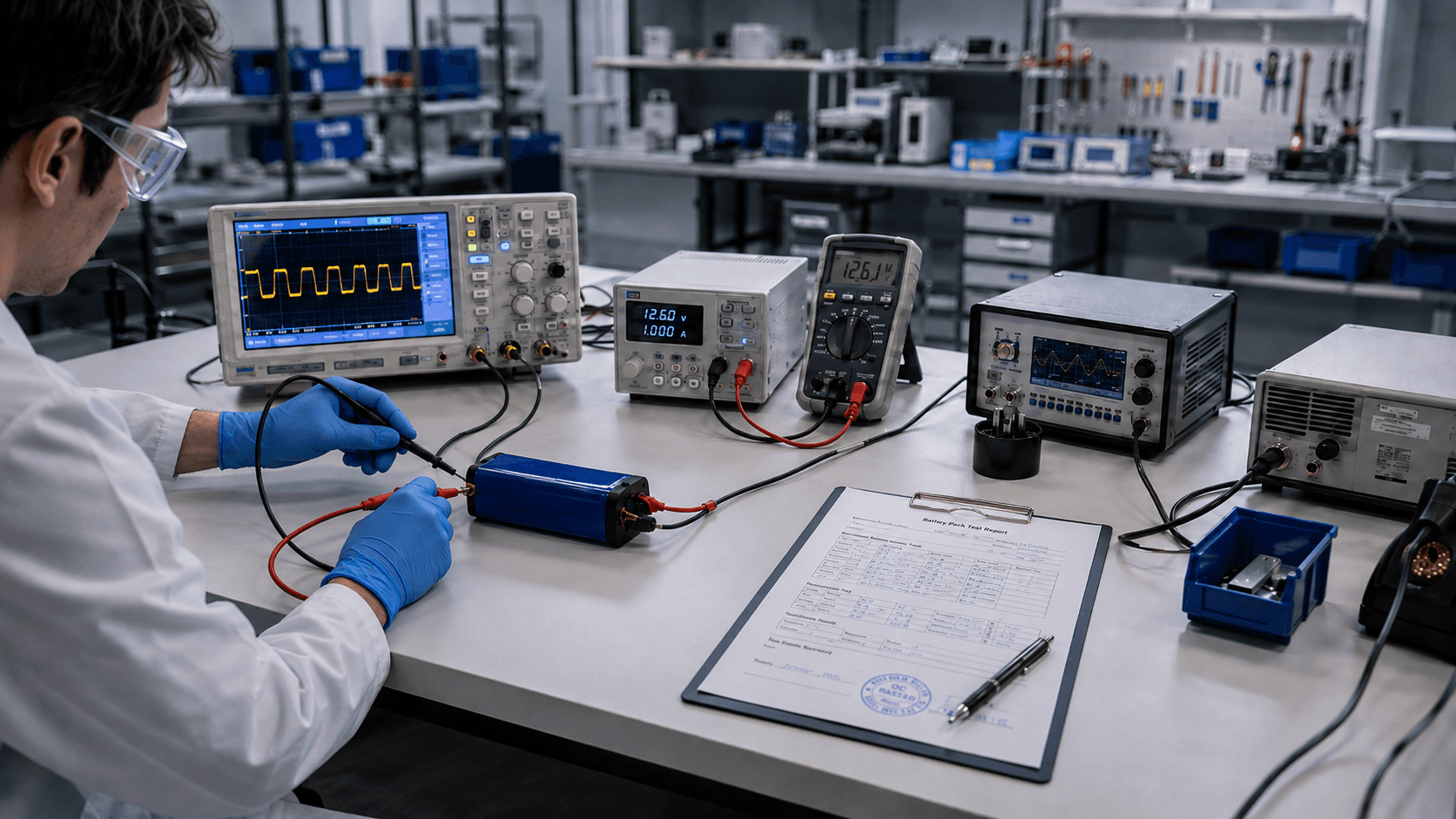
A Similar Report Is Not Enough
When reviewing supplier documents, the first question should not be:
"Did the supplier send a certificate?"
It should be:
"Does this document actually cover the product we are buying?"
Some common issues we see include:
The report covers a different model or product.
The tested specifications are different.
Only one component was tested instead of the finished product.
The testing was conducted against a different or outdated standard.
The document belongs to another manufacturer.
The report does not cover all applicable requirements.
A supplier saying that two models are "basically the same" is not enough when documentation is required for compliance.
Where This Becomes Especially Important
This deserves particular attention in regulated or safety-sensitive product categories. Examples include toys and children's products, household electrical appliances, personal protective equipment, lithium batteries, machinery and medical devices. The exact requirements depend on both the product and the destination market.
A lithium battery, for example, may require specific documentation for transportation in addition to product compliance requirements.
An electrical appliance may need evidence covering several different regulations or standards.
A toy may require testing covering mechanical, chemical and other safety requirements.
The important point is not to assume that because the supplier has a report, they have everything required for your shipment.

First Determine What You Actually Need
There is another common sourcing mistake: asking the supplier,
"What certificates do we need for this product?"
The supplier may not know the requirements of your destination country in detail. They may simply recommend the documents they already have. The safer approach is the opposite:
First, confirm the import and compliance requirements for your market with your customs broker, import consultant, certification specialist or relevant local authority. Then go back to the supplier with a precise document list.
It is also important to understand that different documents serve different purposes:
Test report: Shows that a product was tested against a particular standard.
Certificate: Confirms compliance under a specific certification or assessment scheme.
Declaration of Conformity: A formal declaration by the manufacturer that the product complies with applicable requirements.
Transport-related documentation: Evidence used to support transport compliance rather than general product conformity.
For CE-marked products, for example, buyers also need to understand that CE itself is a conformity marking rather than simply a certificate that a supplier can send.
Knowing exactly which document you need, for which standard, for which model and for which market is the starting point.
A Missing Report Does Not Always Mean Changing Suppliers
Sometimes the manufacturer, sample, pricing and commercial terms are all suitable, but a required test report is missing. In that situation, arranging new testing can still be a reasonable solution.
There may be an additional testing cost, but depending on the order value and quotation difference, that cost can still make commercial sense compared with changing suppliers entirely. The key is discovering the gap before placing the order.
Testing Affects Your Lead Time
Additional testing is not only a cost consideration. Depending on the product and standard, laboratory testing and report issuance can take days or several weeks. If the product fails part of the test, modifications and retesting may extend the timeline further. This means compliance checks should be completed during supplier evaluation; not when production is finished and shipment is approaching.

What We Pay Attention to at FortuneSix
Receiving a certificate from the supplier does not close the compliance question for us. We verify that the documentation correctly matches the product, manufacturer, applicable standards and compliance requirements, and identify any gaps or additional testing needed. When necessary, we coordinate directly with the manufacturer to clarify discrepancies or arrange additional testing before the project moves forward.
Discovering that a report is missing before placing an order may mean arranging one more test. Discovering it at customs can mean a very different problem.
If you’re unsure whether your supplier's documentation actually covers your product,